
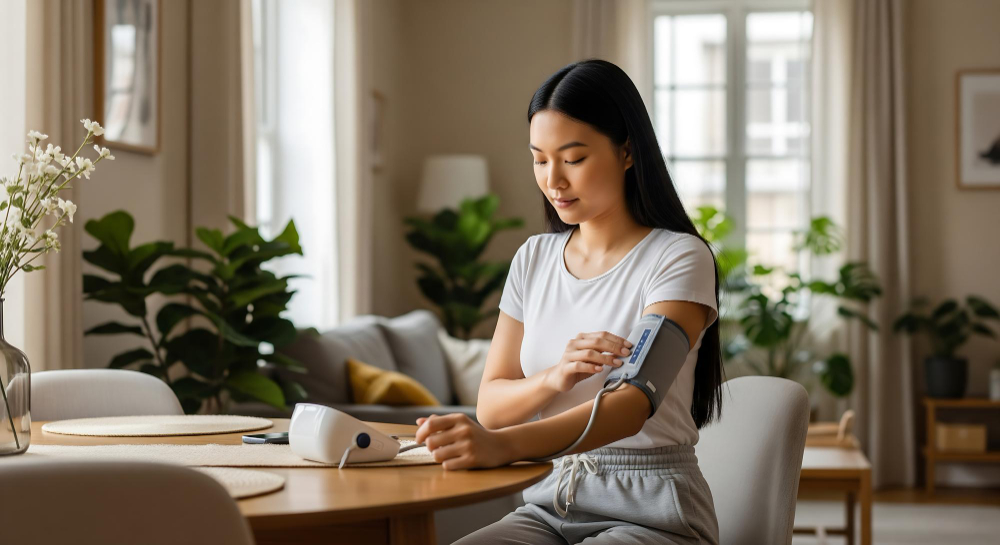
What Is Blood Pressure and Why Monitor It at Home?
Blood pressure is the force of your blood pushing against the walls of your blood vessels. When you check your blood pressure at home, you can spot changes early. This helps you and your doctor manage your health better. According to the CDC, high blood pressure often has no symptoms. Therefore, regular blood pressure monitoring at home helps you catch problems before they become serious. For many people, home checks are easier than frequent doctor visits.
Benefits of Home Blood Pressure Monitoring
Home blood pressure monitoring offers many advantages. For example, it helps you track your numbers over time. In addition, it can show how your lifestyle or medicine affects your blood pressure. Here are some key benefits:
Choosing the Right Blood Pressure Monitor
Not all blood pressure monitors are the same. For best results, pick a device that fits your needs. Most experts, including the World Health Organization, recommend an automatic, upper-arm monitor. When choosing a home blood pressure monitor, consider these tips:
Step-by-Step Guide: How to Measure Blood Pressure at Home
For accurate results, it is important to follow the right steps. Here is how to check blood pressure at home:
For even better home blood pressure monitor accuracy, measure at the same time each day.
Common Mistakes and How to Avoid Them
Many people make simple mistakes when checking blood pressure at home. However, you can avoid these errors with a few easy steps:
By following these tips for home blood pressure readings, you can trust your results.
Understanding Your Blood Pressure Readings
Blood pressure readings have two numbers. The top number, called systolic, shows the pressure when your heart beats. The bottom number, called diastolic, shows the pressure when your heart rests. According to the CDC:
If your numbers are often high, you may have high blood pressure. On the other hand, very low numbers may mean low blood pressure. Both can be serious if not managed.
When to Contact a Healthcare Professional
Sometimes, your readings may be outside the normal range. If this happens often, you should talk to your doctor. For example, contact a healthcare professional if:
Early action can help prevent serious health problems.
Tips for Maintaining Healthy Blood Pressure
There are many ways to keep your blood pressure in a healthy range. For instance, you can:
With these simple steps, you can support your heart and overall well-being.
Conclusion
If you have questions about your blood pressure or need help with home monitoring, the team at Heal U Heal U Clinic is here for you. Book a consultation today to get personalized support for your health.