
What Does Comfort at Home Mean?
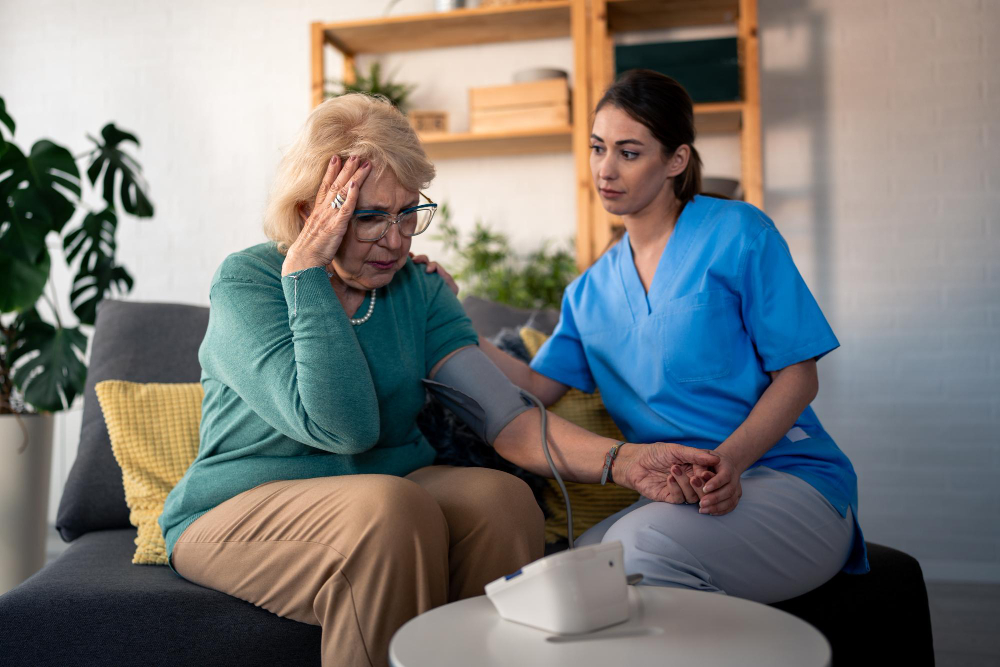
Comfort at home means feeling safe, relaxed, and cared for in your own space. Many people prefer to recover or age at home. This is because home is familiar and brings peace. With home comfort care, daily routines stay the same. Loved ones can visit often. For many, this helps healing and happiness. According to the World Health Organization (WHO), home care can improve quality of life. It also reduces stress for both patients and families.
Ensuring Safety in Care: Key Principles
Safety in care is very important. It means protecting your loved one from harm. Safe caregiving at home follows simple steps. First, keep walkways clear to prevent falls. Next, check that medicines are stored safely. Also, make sure the home is clean and free from hazards. The Centers for Disease Control and Prevention (CDC) suggests regular safety checks. This helps prevent accidents and keeps everyone healthy.
Providing Support When It Matters Most
Support for families is vital during tough times. When someone is sick or aging, both emotional and physical help matter. Support can come from family, friends, or nearby support services. For example, talking and listening can ease worries. Sometimes, help with meals or chores makes a big difference. The CDC notes that strong support can lower stress and improve health for everyone involved.
Practical Tips for Families and Caregivers
Families and caregivers play a big role in home care. With a few best practices for home care, you can make things easier and safer. For instance, create a daily routine. This helps everyone know what to expect. In addition, keep a list of medicines and doctor visits. Good communication is key. Always ask questions if you are unsure about care steps.
When to Seek Professional Help
Sometimes, home care is not enough. If your loved one’s needs grow, it may be time to seek professional help. Watch for signs like sudden changes in health, confusion, or trouble with daily tasks. In your community, many services offer extra support. For example, home nurses, therapists, or local clinics can help. The WHO recommends reaching out early to avoid emergencies.
In summary, comfort at home, safety in care, and support when it matters most are key for well-being. For the best results, follow safe caregiving at home and use support for families. Consult at Heal U Clinic for personalized advice on home comfort, safety, and support.